


Why a Dark Bedroom Matters: How Darkness Impacts Sleep Quality and Health
Light exposure at night does more to disrupt sleep than most people realise. Here is what the research says, and how blockout blinds for bedrooms can help create a better sleep environment.
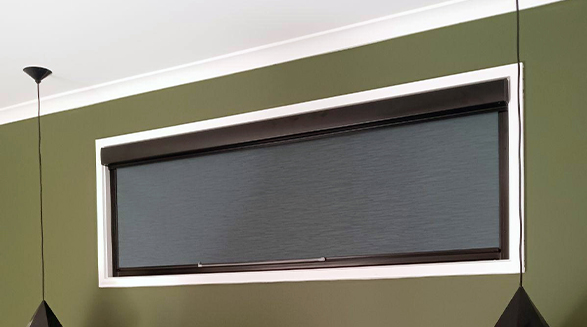
Most people know that a comfortable mattress and a quiet room are important for good sleep. What tends to get overlooked is light. Specifically, how light in the bedroom, whether from an early sunrise, street lighting coming through curtains, or glowing screens, can interfere with the body’s ability to fall and stay asleep.
This guide covers what the research says about darkness and sleep, why your bedroom environment matters more than you might think, and how light blockout blinds can contribute to a more sleep-friendly space. Ziptrak® interior blinds are available through Ziptrak® retailers across Australia, with blockout fabrics designed to address the light control needs of every bedroom.
The science of sleep and light
How Light Exposure Affects Your Body’s Sleep Signals
The human body runs on an internal clock known as the circadian rhythm, a roughly 24-hour cycle that regulates when we feel alert and when we feel tired. Light is the primary signal the brain uses to set and reset this clock. When the eyes detect light, the brain interprets that as daytime and produces hormones associated with wakefulness. When darkness falls, the brain begins producing melatonin, a hormone that signals to the body that it is time to sleep.
The challenge in modern life is that the brain cannot always distinguish between natural light and artificial light. Research published in sleep science journals, including work referenced by the Sleep Health Foundation of Australia, indicates that exposure to light in the hours before bed, or during the night, can suppress melatonin production and shift the circadian rhythm later, making it harder to fall asleep and harder to wake feeling rested.
Early sunrise
In Australian summer, sunrise can occur before 5:30am in many parts of the country. Morning light entering a bedroom through uncovered or under-covered windows can signal the brain to end sleep well before a person has completed their natural sleep cycle.
Street lighting
Urban and suburban bedrooms are rarely fully dark at night. Street lights, car headlights and lit signage can create a persistent low-level glow that the brain continues to register during lighter sleep stages, potentially contributing to more frequent waking.
Artificial light indoors
Light from screens and overhead lighting in the evening can delay the body’s melatonin production, particularly blue-spectrum light. A bedroom that is genuinely dark at night removes one of the more controllable variables from this picture.
Night-time waking
Even brief exposure to light during the night, such as light from a hallway under a door or from a phone screen, can interfere with re-entering deeper sleep stages. Keeping the bedroom as dark as possible across the full night is generally recommended by sleep specialists.
Why it matters
The Connection Between Sleep Environment and Wellbeing
Sleep quality has a well-documented association with a broad range of physical and mental wellbeing outcomes. While it would be an overstatement to say that darkening a bedroom alone will resolve sleep difficulties, the environment in which a person sleeps is one of the factors that sleep researchers and health professionals consistently point to as controllable and worth addressing.
According to guidance from organisations including the Sleep Health Foundation and Harvard Medical School’s Division of Sleep Medicine, a dark, cool and quiet sleep environment is one of the foundations of what is commonly called good sleep hygiene. The term describes a set of behavioural and environmental conditions that are thought to support consistent, quality sleep.
Light exposure at night is associated with disrupted circadian timing, which research suggests may affect sleep duration and quality over time.
Children and infants are particularly sensitive to light cues. For nurseries and children’s bedrooms, darkness during sleep hours is widely considered an important part of supporting healthy sleep routines.
Shift workers who sleep during daylight hours face a particular challenge in controlling their sleep environment. Light blocking blinds are among the more practical tools for addressing daytime bedroom darkness.
The brain’s response to light is involuntary, which means that simply choosing to ignore light in the bedroom does not neutralise its effect on melatonin production or sleep architecture.
It is worth noting that sleep difficulties have many causes, and a darker bedroom is one part of a broader picture. If you are experiencing ongoing sleep issues, speaking with a qualified health professional is always the appropriate first step.
Practical steps
What Makes a Sleep-Friendly Bedroom Environment
Creating a darker bedroom does not require a complete renovation. The most meaningful changes are generally those that address the largest sources of incoming light, which in most bedrooms means the windows.
The window is where most unwanted light enters a bedroom. Addressing it directly, with a well-fitted blockout blind or light blocking blind, tends to have more impact than secondary measures like sleep masks or heavy curtains that leave gaps at the edges.
Full-Fit Blockout Blinds
A blockout blind that fits the full width and height of the window is key to creating darkness. Even high-quality fabric won’t block light if the fit isn’t right. That’s where Ziptrak interior blinds stand out. Their unique system keeps the fabric securely within side tracks, eliminating light gaps along the edges.
Temperature
Sleep specialists recommend a cool bedroom. Blockout fabrics with heat-reflective backing limit solar heat, and Ziptrak blinds reduce air transfer with their innovative track-guided system, keeping rooms cooler in summer and warmer in winter.
Noise reduction
While blinds are primarily a light control product, heavier fabric blinds can offer some contribution to reducing sound transmission through windows, which may support a quieter sleep environment alongside their light-blocking function.
Device management
Removing or covering devices with indicator lights, and keeping phones face-down or in another room, removes secondary light sources that persist even in a well-covered bedroom.
The Ziptrak® solution
How Blockout Blinds for Bedrooms Can Support a Better Sleep Environment
Ziptrak® interior blinds are available in a range of blockout and light-filtering fabrics designed to give homeowners precise control over the amount of light entering a room. For bedrooms, the relevant option is a full blockout fabric, which is rated to block 99 to 100% of light passing through the material itself.
The distinction between fabric performance and installation performance is important. A blockout fabric addresses light coming through the blind. A well-fitted, correctly mounted blind addresses light coming around the blind. The best outcomes for bedroom darkness come from both working together, which is why Ziptrak® retailers offer professional measuring and installation as part of the process.
Custom-made to size — every Ziptrak® blind is made to the exact dimensions of your window, which contributes to better edge fit and less light gap from the outset.
Full blockout fabric options — rated fabrics that block 99 to 100% of light transmission through the material, available in a wide range of colours and finishes.
Motorised operation — particularly well-suited to nurseries and children’s rooms, where quiet one-touch control matters during night feeds, nap times and early mornings.
Heat-reflective fabric options — blockout fabrics with a reflective-white backing contribute to a cooler bedroom environment by limiting solar heat gain through glass, supporting the temperature conditions associated with better sleep.
Light blockout blinds are available through Ziptrak® retailers across Australia. Visit the Interior Fabric Guide to explore the full range of blockout and light-filtering fabric options, or use the Design Your Blind tool to compare colours and configurations before speaking with a retailer.
Common questions
FAQs: Darkness, Sleep and Blockout Blinds
Ready to explore blockout blind options for your bedroom? Use the Ziptrak® Design Your Blind tool to browse fabric types, colours and configurations before speaking with a retailer near you.
Design Your Blind →Ready to get started?
Find a Ziptrak® Retailer Near You
Speak with a local Ziptrak® retailer about blockout blind options for your bedroom, nursery or home. Professional measuring and installation included.
Find a Retailer Near You